10 Best Benefits of Using Perforated Metal in Various Applications?
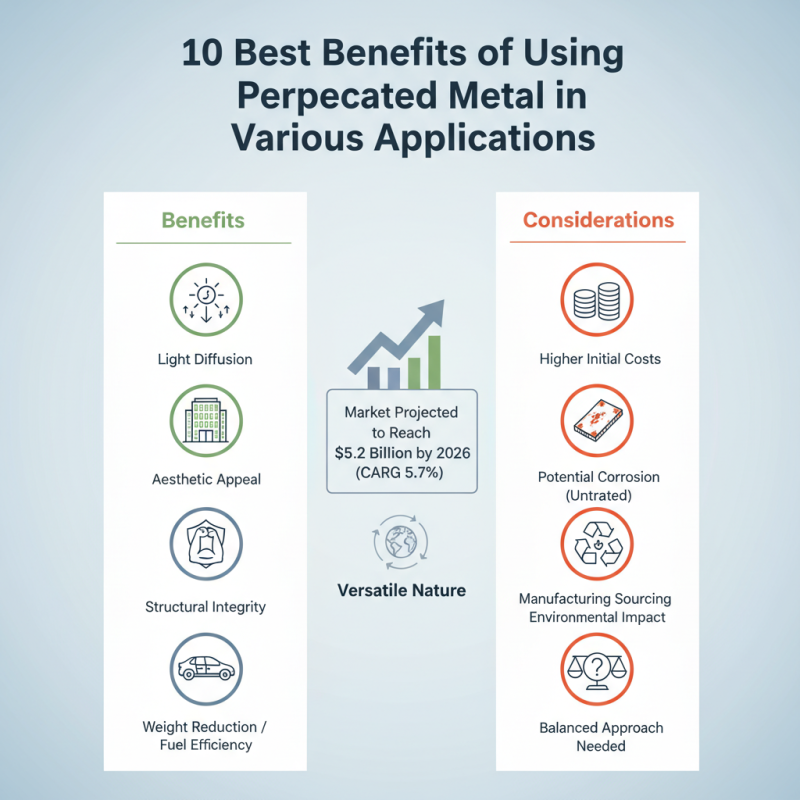
Perforated metal has gained significant traction in various industries due to its versatile nature and functional benefits. According to a report by MarketsandMarkets, the perforated metal market is projected to reach $5.2 billion by 2026, reflecting a CAGR of 5.7%. This growth indicates a rising demand for innovative materials that combine strength with aesthetic appeal.
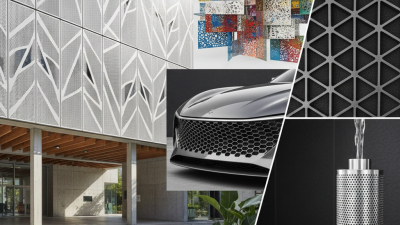
The use of perforated metal is prominent in architectural designs, where it enhances both functionality and visual appeal. For instance, it allows for light diffusion and ventilation while maintaining structural integrity. In addition, the automotive industry utilizes perforated metal for weight reduction, contributing to improved fuel efficiency. However, despite its advantages, the material can present challenges, such as higher initial costs and potential corrosion if not properly treated.
Additionally, the environmental impact of manufacturing and disposal of perforated metal is worth reflecting upon. While its lightweight nature can lead to reduced energy consumption in transportation, sourcing practices must be sustainable to ensure overall ecological benefits. These factors highlight the need for a balanced approach when considering the adoption of perforated metal in various applications.
Advantages of Perforated Metal in Architectural Design and Aesthetics
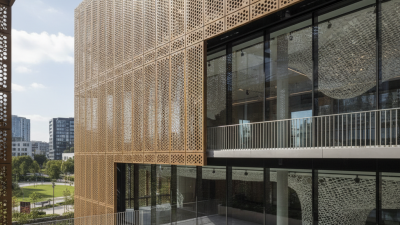
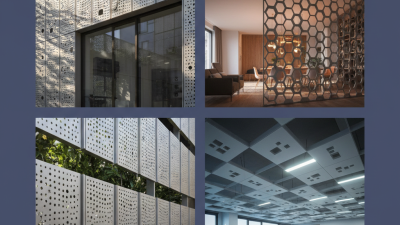
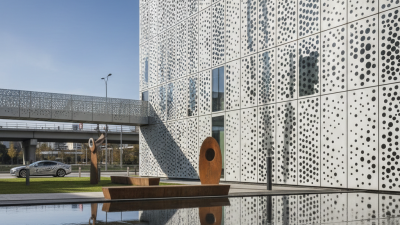
Perforated metal has become increasingly popular in architectural design. Its unique aesthetic appeal offers a fresh perspective on facade construction. Designers appreciate its versatility. The holes can vary in size and spacing, creating captivating patterns. This adaptability allows architects to express creativity in their structures.
Besides looks, perforated metal enhances functionality. It allows airflow and light penetration while maintaining privacy. For example, it can be used in sunshades, reducing solar load while offering visual interest. On a larger scale, it can help with acoustic treatments in performance spaces. Yet, a careful balance is necessary to avoid overwhelming designs. Sometimes the patterns can become too busy or chaotic. Reflecting on these challenges leads to better design outcomes.
The combination of beauty and utility makes perforated metal a valuable choice. Incorporating it thoughtfully can elevate designs to new heights. However, it’s crucial to consider the surrounding environment. Each project is unique. Evaluating how perforated metal interacts with its setting can be pivotal. Designers often face dilemmas in achieving this harmony. Therefore, continuous reflection on these choices helps refine the final product.
Enhanced Airflow and Ventilation Through Perforated Metal Structures
Perforated metal structures play a key role in enhancing airflow and ventilation. Their unique design features a series of holes, allowing air to circulate freely. This makes them ideal for various applications, including building facades and HVAC systems. When used correctly, they can significantly improve indoor air quality.
The benefits are clear but not without challenges. Designers must consider hole size and spacing carefully. Too many holes might weaken the structure, while too few can hinder airflow. It's crucial to strike the right balance. Some users find it hard to visualize the impact of these decisions. Small modifications can lead to vastly different results in performance.
Moreover, perforated metal can help with temperature control. It allows heat to escape, keeping spaces cool. However, improper application may lead to reducing strength or noise issues. Balancing aesthetics and functionality in design is vital. With attention to detail, perforated metal can be both beautiful and practical. It invites innovation but requires thoughtful planning.
Weight Reduction and Material Efficiency in Industrial Applications
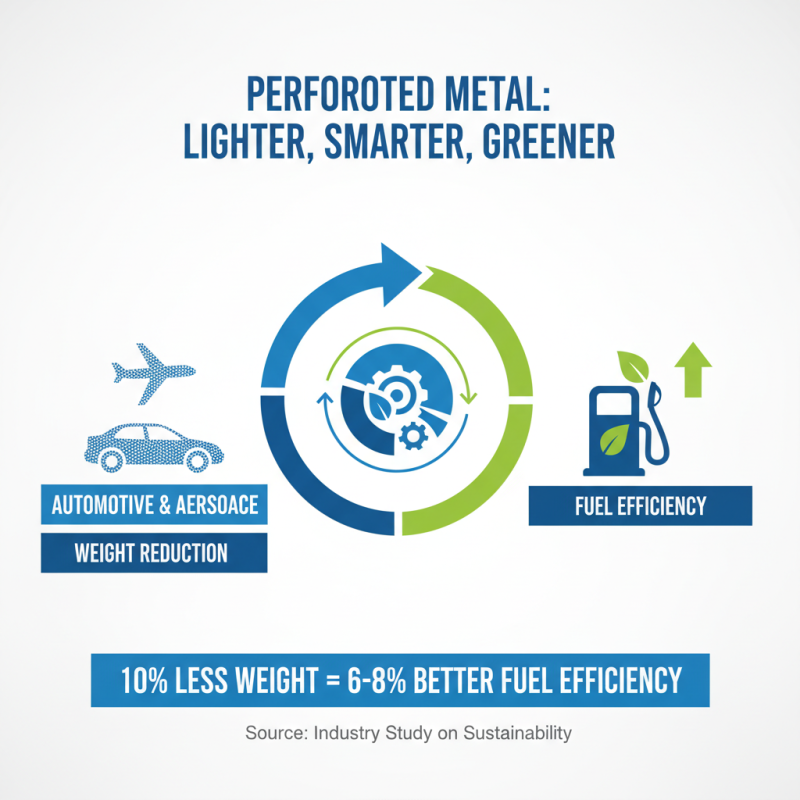
Perforated metal is increasingly popular in various industrial applications. One of its key advantages is weight reduction. In sectors like automotive and aerospace, reducing weight can lead to significant fuel savings. A study shows that a 10% reduction in vehicle weight can improve fuel efficiency by up to 6-8%. That’s considerable in a world focused on sustainability.
Material efficiency is another important benefit. By using perforated metal, manufacturers can optimize material usage. This results in less waste, contributing to eco-friendly practices. Studies indicate that perforated designs can save up to 30% of metal compared to solid sheets. Yet, not all designs are equally efficient. Balancing strength and perforation ratio is vital.
**Tips:** Consider the type of load the perforated metal will face. Ensure the holes' size and layout are appropriate for the application. Testing different configurations could save resources in the long run.
Another aspect to reflect on is the potential for over-engineering. Sometimes, companies apply perforated metal without thoroughly analyzing specific needs. This can lead to unnecessary costs. Evaluating performance against practical requirements is essential.
**Tips:** Always prototype your design before full-scale production. This can reveal unforeseen issues. Adapting designs based on real-world feedback can enhance efficiency and functionality significantly.
Versatile Applications of Perforated Metal in Filtration Systems
Perforated metal plays a significant role in filtration systems. Its unique design allows for effective separation of solids from liquids or gases. The holes in the metal can be customized to fit specific filtration needs, making it versatile for various applications. This adaptability means it can be used in industries ranging from food processing to water treatment.
The benefits of perforated metal extend to airflow management as well. It enhances ventilation while filtering out unwanted particles. For instance, in HVAC systems, it helps purify the air without restricting airflow. The challenge lies in selecting the right hole size and spacing. Poor choices could lead to less effective filtration. Additionally, the installation of these systems requires careful planning. Mistakes in measurements or alignment can render the filtration system ineffective. Overall, while perforated metal offers numerous advantages, its effectiveness hinges on thoughtful application and design.
Durability and Maintenance Benefits of Using Perforated Metal Components
Perforated metal is increasingly popular due to its durability and low maintenance needs. With proper design and materials, it offers exceptional resistance to corrosion and wear. A recent industry report noted that perforated metal can extend the lifespan of components by up to 30%. This longevity is vital in environments exposed to harsh conditions.
Maintenance is minimal with perforated metal products. Regular cleaning can often be done with just water and mild detergent. Unlike traditional materials, it doesn’t require frequent replacement, reducing both costs and waste. However, some users report issues with infrequent inspections. This can lead to overlooked damage that might accumulate over time.
Another compelling advantage is the versatility in applications. From architecture to filtration, its lightweight structure doesn’t compromise strength. Data suggests that components made from perforated metal are up to 50% lighter than solid counterparts. Yet, ensuring design integrity is crucial. Improperly engineered holes can affect strength and functionality.
10 Best Benefits of Using Perforated Metal in Various Applications
| Benefit |
Description |
Application Examples |
| Lightweight |
Perforated metal reduces weight while maintaining strength. |
Manufacturing, Architectural Facades |
| Aesthetic Appeal |
Adds unique design elements to projects. |
Decorative panels, Retail Displays |
| Ventilation |
Allows airflow while providing protection. |
Machine Covers, HVAC Systems |
| Noise Reduction |
Helps in dampening sound in noisy areas. |
Acoustic Panels, Industrial Machinery |
| Durability |
Resistant to corrosion and wear in tough environments. |
Outdoor Structures, Security Applications |
| Customizable |
Can be manufactured in various patterns and sizes. |
Bespoke Architectural Elements |
| Eco-Friendly |
Recyclable materials contribute to sustainability. |
Green Building Applications |
| Cost-Effective |
Lower production costs due to efficient manufacturing. |
Mass Production Components |
| Maintenance-Friendly |
Easy to clean and maintain over time. |
Industrial Equipment, Furniture |
| Safety Features |
Can provide protective barriers without obstructing views. |
Guardrails, Safety Screens |