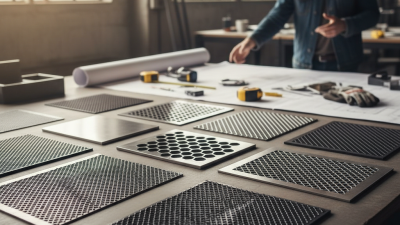
Top Tips for Choosing Perforated Aluminum Sheet for Your Project?

Choosing the right perforated aluminum sheet is crucial for your project’s success. These sheets are versatile, providing both aesthetic appeal and functional benefits. With countless options available, making an informed decision requires careful consideration.

Understanding your specific needs is essential. Think about the application, required strength, and desired look. Perforated aluminum sheets come in various sizes, hole patterns, and thicknesses. Matching these attributes to your project will enhance durability and effectiveness.

Expertise in this field can guide you in selecting the best product. Researching suppliers, reading reviews, and seeking recommendations are wise steps. Reflect on your choices to ensure they meet your expectations. A thoughtful approach will make a significant difference in your project’s outcome.
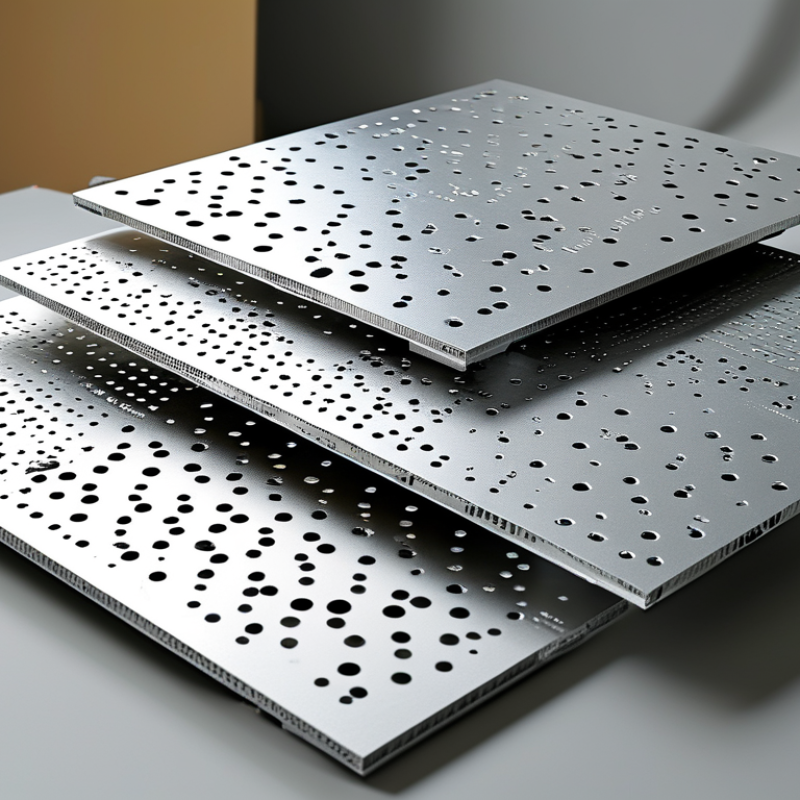
Top Tips for Choosing Perforated Aluminum Sheet for Your Project?

Understanding Perforated Aluminum Sheet and Its Applications

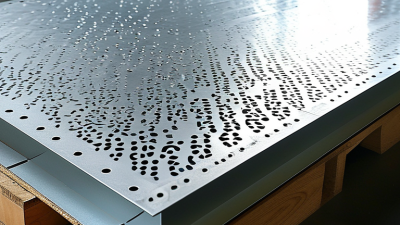
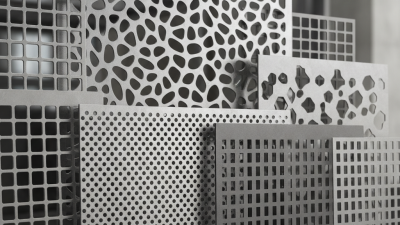
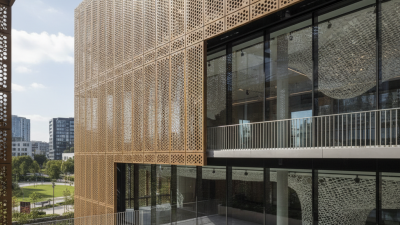
Perforated aluminum sheet is a versatile material widely used across various industries. Its unique design features regularly spaced holes, which can vary in size, shape, and arrangement. This allows for customization to meet specific project requirements. Applications range from architectural elements to HVAC systems, demonstrating its adaptability and aesthetic appeal.

Choosing the right perforated aluminum sheet involves understanding its properties and functionality. For instance, sheets with larger holes offer better ventilation, while smaller holes can enhance aesthetic appeal or provide shade. The thickness of the aluminum also plays a role in durability and weight, influencing its use in different projects. Reflecting on your specific needs can guide you in making the best choice.

While perforated aluminum sheets present several benefits, there are challenges to consider. Ensuring the right hole size for intended airflow can be complex. Additionally, factors such as corrosion resistance and finish should not be overlooked. Always weigh these aspects against your project goals to avoid costly mistakes.

Key Factors to Consider When Selecting Perforated Aluminum Sheet

Choosing the right perforated aluminum sheet requires careful consideration of several key factors. These sheets are often used for various applications, including architectural designs, noise control, and filters. Understanding the specific needs of your project is essential. Assess the desired hole size and pattern to achieve the visual and functional requirements. Small holes can provide privacy, while larger ones enhance airflow.

Another critical factor is the thickness of the aluminum sheet. Thicker sheets generally offer greater durability but can be more challenging to work with. If you're unsure about the thickness required, consult with professionals familiar with metal fabrication. Consideration of surface treatments is also important. Anodized finishes can enhance corrosion resistance and aesthetics. Evaluate your project's exposure to elements, as this can influence the longevity of the sheet.

Keep in mind the weight of the aluminum sheet. Heavier sheets may require additional support, complicating installation. Also, reflect on your budget. Quality materials often come at a higher price, but they may provide long-term value. It’s important to balance cost with the specific performance needs of your project. Seek advice from experienced professionals to avoid common pitfalls in material selection.

Top Tips for Choosing Perforated Aluminum Sheet for Your Project

Dimension Hole Size (mm) Percentage of Open Area (%) Thickness (mm) Finish Type
1000 x 2000 5 25 1.5 Anodized
1200 x 2400 8 30 2.0 Powder Coated
1500 x 3000 10 35 3.0 Brushed
1000 x 1000 6 28 1.0 Natural
2000 x 2000 12 40 2.5 Polished

Evaluating Thickness and Hole Size for Your Project Needs

Choosing the right perforated aluminum sheet for your project can be a daunting task. When evaluating thickness, consider the overall strength required. Thicker sheets provide better durability, but they may add unwanted weight. A balance must be struck between strength and manageability. For lightweight applications, a thinner sheet might suffice. Yet, be cautious: too thin can lead to bending or warping.

Hole size is equally important and directly impacts functionality. Smaller holes allow for better filtration but may reduce airflow. Larger holes enhance drainage and visibility but could compromise structural integrity. Testing various hole sizes on sample materials can reveal surprising results. Reflect on your project’s specific needs before making a decision. Aim for a solution that meets both aesthetic and functional requirements, avoiding shortcuts that could lead to future headaches.

Finishing Options and Their Impact on Performance and Aesthetics

Choosing the right finishing option for perforated aluminum sheet is crucial. Finishes can dramatically impact both performance and aesthetics. For instance, anodizing enhances corrosion resistance while adding a sleek, metallic look. This process thickens the oxide layer, ensuring longevity in outdoor applications. However, the availability of colors might be limited compared to powder coating.

Powder coating is another popular finish. It provides a durable layer of protection against scratches and UV damage. This option allows for a wider range of colors and textures. However, it may require additional maintenance if used in harsh environments. Understanding the trade-offs helps in making informed decisions. The finish should align not only with functional needs but also with project aesthetics.

Consider the environment where the perforated aluminum sheet will be used. Factors like exposure to moisture, sunlight, and pollutants can influence the choice of finish. Each environment poses unique challenges. Selecting a finish that complements these conditions demonstrates a thoughtful approach. Reflecting on these elements ensures you make a well-rounded choice that suits your project's specific demands.

Cost Considerations and Budgeting for Perforated Aluminum Sheets

When selecting perforated aluminum sheets, budgeting is crucial. Costs can vary significantly based on thickness, hole size, and overall design. According to a recent report by the Aluminum Association, the average cost for raw aluminum materials can range from $2.50 to $3.50 per pound. This highlights the importance of understanding the specific requirements of your project to avoid overspending.

One effective approach is to calculate the total area of the sheets you need. Using an online calculator can simplify this task. Determine your project’s dimensions, and factor in any waste. It’s typical to order 10% more material than needed to account for cuts and imperfections. This precaution can prevent delays and extra costs later.

Consider exploring multiple suppliers to ensure competitive pricing. Some sources suggest that comparison shopping can save up to 20% on material costs. It's also worth analyzing the long-term benefits of investing in higher quality materials. Cheaper options might not perform well, leading to frequent replacements. When making your choice, weigh these aspects carefully to ensure your investment is sound.

Cost Considerations for Perforated Aluminum Sheets