How to Choose the Right Expanded Metal Mesh for Your Project?

When selecting the right expanded metal mesh for your project, many factors come into play. Expanded metal mesh is versatile and offers various applications. However, choosing the right type can be challenging. Each project has unique requirements. Understanding your needs is crucial.

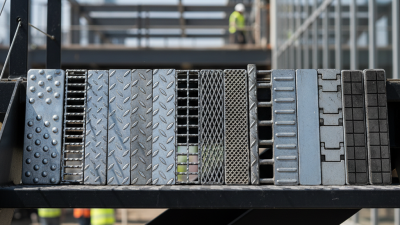
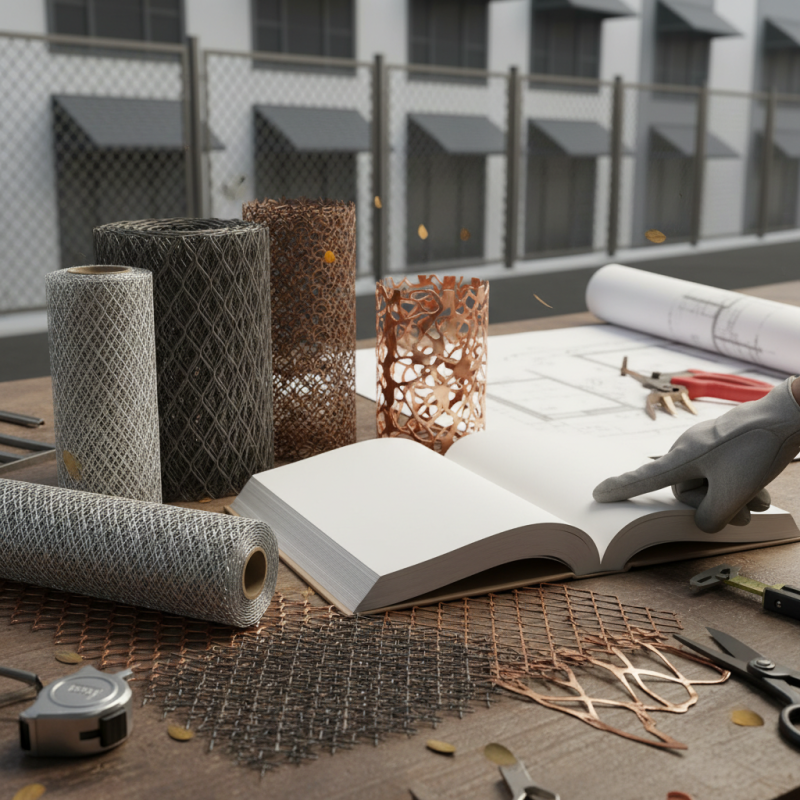
Consider the material of the expanded metal mesh. Different materials provide different strengths and resistances. For instance, aluminum mesh is lightweight and rust-resistant, while steel mesh offers durability. Check the thickness and pattern as well. They influence the mesh's performance and aesthetic appeal. Each detail matters.

Don't overlook your project's purpose. Expanded metal mesh used for security differs from mesh for decorative applications. Reflect on how the mesh will be installed and its environment. Sometimes, the perfect air flow is necessary, while other times, strength is the priority. It’s essential to analyze all these aspects carefully. Making the wrong choice could lead to additional costs and complications.
How to Choose the Right Expanded Metal Mesh for Your Project?

Types of Expanded Metal Mesh and Their Applications

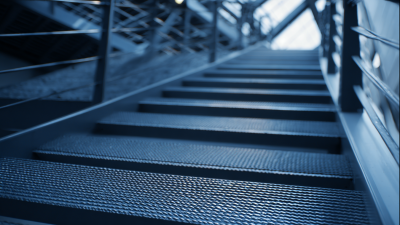
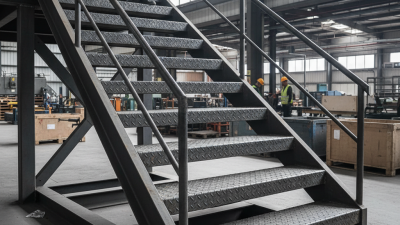
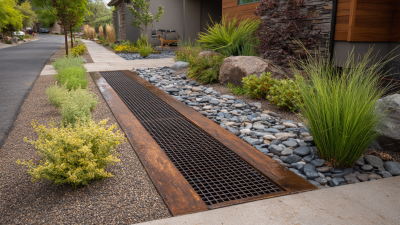
When selecting expanded metal mesh for a project, understanding the types available is essential. Expanded metal comes in several forms, and each serves different uses. For instance, standard expanded metal is typically used for walkways and safety grates. It provides excellent durability and allows for good drainage. Heavy-duty options are suitable for industrial applications.

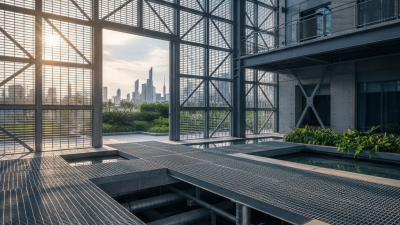
Decorative expanded metal mesh can enhance architectural features. It’s often used in facades and partitions. Its aesthetic appeal can transform a plain structure into something visually striking. Choosing this type of mesh might depend on the required visual impact and structural integrity.

Tips: Always consider your project's strength requirements. Some projects may need highly robust types, while others can use lighter options. Additionally, think about installation ease. Certain meshes are more challenging to work with. Evaluate the mesh's finish, too. A coating can enhance weather resistance, but it adds to costs. Reflect on your budget versus needs before making a final decision.
Factors to Consider When Selecting Expanded Metal Mesh

Choosing the right expanded metal mesh for your project requires careful consideration of several factors. The thickness of the material plays a significant role. Thicker mesh provides strength but may add unnecessary weight. The gauge of the mesh affects durability and flexibility. A balance between strength and weight is essential for specific applications.

Mesh pattern also matters. Open area percentage influences airflow and light penetration. For instance, some projects require high visibility while others focus on privacy. A recent industry report indicates that expanded metal with a 60% open area is ideal for ventilation applications. It's vital to assess the purpose of the mesh to choose the appropriate pattern.

When selecting an expanded metal mesh, consider the environment. Corrosion resistance is critical in outdoor or industrial settings. Materials like aluminum and galvanized steel offer varying degrees of protection. Remember to account for project lifespan and environmental conditions, like moisture and temperature.

**Tips:** Choose a mesh that aligns with your project's functional needs. Test samples where possible. Regularly review your choices against project requirements to avoid costly mistakes.

How to Choose the Right Expanded Metal Mesh for Your Project?

When selecting expanded metal mesh, various factors must be considered, such as thickness, opening size, and material type. The chart below illustrates the influence of these factors on the overall strength and weight of the mesh.

Measuring Requirements for Your Expanded Metal Mesh Project

How to Choose the Right Expanded Metal Mesh for Your Project?

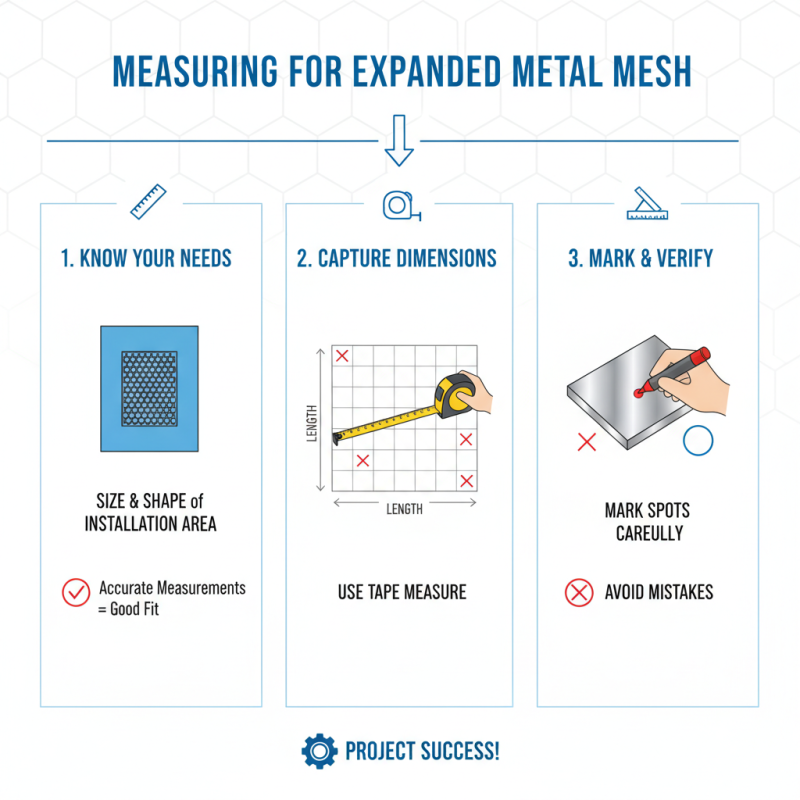
Measuring requirements for your expanded metal mesh project is crucial. It starts with knowing what you need. Determine the size and shape of the area where the mesh will be installed. Accurate measurements ensure a good fit. Using a tape measure can help capture the right dimensions. Mark the spots carefully to avoid mistakes.

Consider the intended use of the mesh. Is it for security, filtration, or decoration? Different applications require different specifications. Think about the thickness of the material and the size of the openings. These elements greatly affect strength and appearance. A common error is overlooking the environment where the mesh will be placed. Will it be exposed to weather? This impacts your choice in the long run.

Don't rush your measurements. Take your time to gather information. Measure multiple times if necessary. This will reduce the chances of ordering the wrong size. Mistakes can lead to waste and frustration. If unsure, consult resources or professionals. Getting it right the first time saves time and effort later.

Common Finishes and Coatings for Enhanced Durability

When choosing expanded metal mesh, the finish can significantly impact durability. Many surfaces can enhance the lifespan of your mesh. Options include powder coating, galvanization, and anodizing. Each method has its pros and cons.

Powder coating offers a smooth finish. It's available in multiple colors. This coating acts as a barrier against corrosion, but it can chip easily. Regular inspection is necessary.

Galvanization involves coating the metal with zinc. This option is more durable than powder coatings. It withstands harsh weather, but it may look industrial.

Anodizing is another option for aluminum mesh. It creates a hard layer on the surface, making it scratch-resistant. However, this finish can add to the cost.

Evaluate your project's needs carefully. Think about where the mesh will be used. This choice should align with your requirements for longevity and aesthetics.

Cost Considerations and Budgeting for Expanded Metal Mesh

How to Choose the Right Expanded Metal Mesh for Your Project?

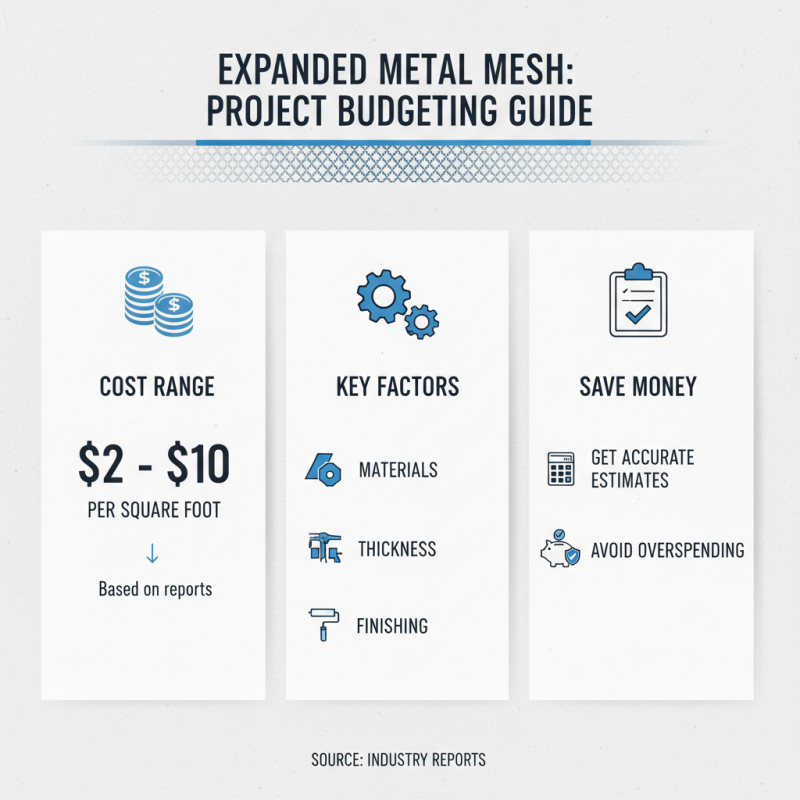
When considering expanded metal mesh for projects, budgeting is critical. The cost varies significantly based on materials, thickness, and finishing. Reports indicate that prices can range from $2 to $10 per square foot. It’s vital to get accurate estimates to avoid overspending.

Material choice impacts cost. Aluminum is lightweight but may be pricier. Steel is often more affordable but heavier. Depending on the project's needs, the right balance between durability and cost must be found. Some projects might require coatings for corrosion resistance, which adds another layer to the budget.

Overlooking the long-term benefits can lead to regret. Sometimes, opting for lower-cost options can result in higher replacement costs later. Understanding the total lifecycle cost is essential. Aim to evaluate both immediate expenses and future needs. This approach will help ensure you select the best expanded metal mesh for your project while keeping finances in check.