
chandelier lighting has the power to transform any space. Renowned design expert Sarah Johnson once stated, "The right chandelier can create a stunning focal point in your home." This highlights how essential it is to choose the perfect fixture. Whether you are aiming for elegance or a contemporary flair, chandelier lighting can deliver.
Incorporating chandelier lighting into your home design goes beyond mere aesthetics. It’s about creating an atmosphere that reflects your personality and style. From grand entryways to cozy dining rooms, a carefully selected chandelier can enhance the overall vibe. The design should resonate with your decor while also providing sufficient illumination.
However, choosing the right chandelier isn’t always simple. You may feel overwhelmed by the vast choices. Size, style, and placement require thoughtful consideration. Each decision significantly impacts the overall design. This shows that while chandelier lighting can uplift a space, it also demands careful planning. Each detail matters in crafting your ideal environment.
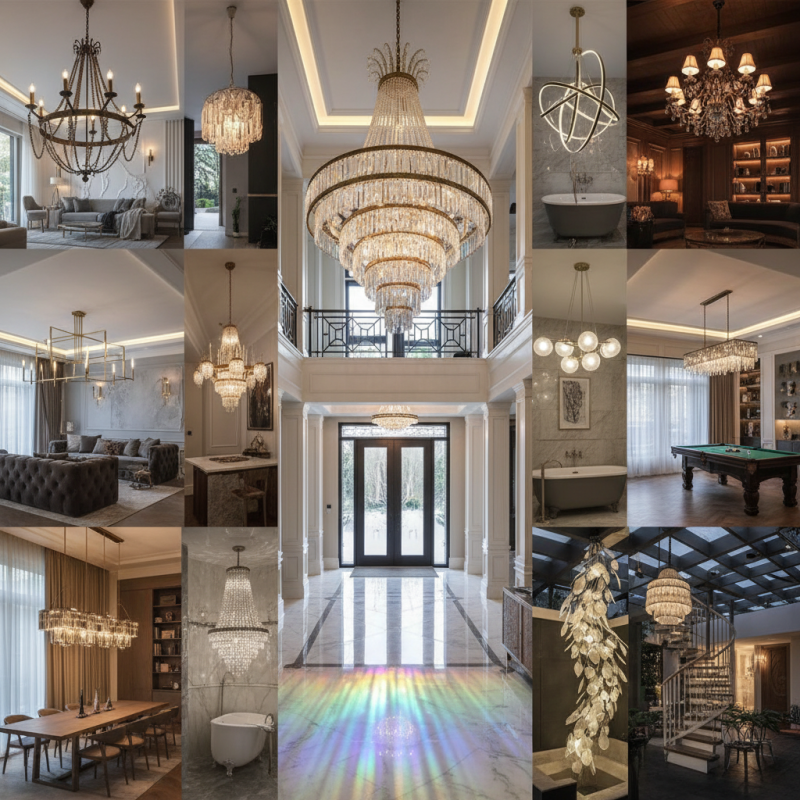
Chandeliers are more than just light sources; they are statement pieces. Modern chandelier styles can transform a room and highlight its design. Consider a sleek geometric chandelier. Its clean lines can enhance a minimalist space, drawing the eye upward.
Another intriguing option is the cluster chandelier. It features multiple smaller lights grouped together. This style adds depth and a unique visual interest to high ceilings. A colorful chandelier adds personality. Incorporating vibrant hues can create a lively atmosphere, especially in an open-concept living space.
Mixing materials can lead to unexpected charm. A metal and glass combination can bridge modern and industrial aesthetics. However, finding the perfect fit requires careful consideration. A chandelier that’s too large can overwhelm a room, while one that’s too small may fade away. Balancing scale with design intention is key to achieving the desired effect.
Choosing the right size chandelier is crucial for enhancing your home’s design. Consider the height of your ceilings and the scale of your room. A chandelier that is too small may get lost in a spacious area. Conversely, a massive piece can overwhelm a small room. Aim for balance.
For dining areas, a chandelier should hang about 30-36 inches above the table. This ensures sufficient light while maintaining an inviting atmosphere. In living spaces, the ideal height is around 7 feet from the floor. It should not obstruct views or conversations.
Don’t forget about the width. A good rule is to take the room's dimensions, add them together, and convert to inches. For example, a 10x12 room requires a chandelier roughly 22 inches wide. Aim for proportionality. Reflect on your choices and adjust as necessary. A well-chosen chandelier can transform your space significantly.
When selecting a chandelier, color and finish significantly influence your home’s aesthetic. Metallic finishes like brushed nickel and matte black offer a modern touch. They catch the light beautifully, enhancing any decor. In contrast, antique brass or gold can anchor a more traditional space. These classic options exude warmth and elegance.
Creative colors further expand your design possibilities. Bold hues like deep blue or emerald green can become vibrant focal points. A colorful chandelier can effortlessly complement unique artworks or statement furniture. For a softer touch, pastel shades can introduce a subtle charm. Transparency also plays a role; glass elements in varied tints add lightness and intrigue.
Consider mixing different finishes for a unique look. Combining a rustic wooden frame with contemporary metal accents creates visual tension. However, be cautious. Overly complicated designs can overwhelm a room. Strive for balance, ensuring that your chandelier enhances your space rather than competes for attention. Reflect on how these choices align with your overall vision before making a decision.
When installing chandeliers, room placement is essential for achieving the desired ambiance. In dining rooms, a chandelier should hang about 30 to 36 inches above the table. This height allows for both lighting and unobstructed sightlines. In living rooms, consider the chandelier type. A larger fixture works well over a coffee table, while a smaller one can accent a cozy reading nook. Aim to create visual balance with surrounding furniture.
Kitchens often need layered lighting. A chandelier can serve as a stylish focal point above an island. Ensure it's bright enough to illuminate work areas. In bedrooms, opt for softer lighting to create a relaxing atmosphere. Hang the fixture lower for a more intimate feel. Don't shy away from varying styles. Exploring diverse designs can lead to unique statements in each room.
Some may struggle with achieving the perfect height or style. Experimenting with placement is key. Take time to reflect on how each chandelier complements your home's theme. Adjusting brightness and pairing with dimmers can enhance functionality. Understanding these details ensures a harmonious integration of chandeliers into your spaces.
Chandeliers can transform a room, but they require regular upkeep for lasting beauty. Dust and grime accumulate quickly. Regularly cleaning your chandelier can enhance its sparkle and longevity. An industry report indicates that 30% of homeowners neglect this essential task, leading to diminished beauty over time.
Use a soft feather duster or microfiber cloth to tackle dust buildup. For deep cleaning, professionals recommend a solution of warm water and mild soap. Be cautious. Too much moisture can damage delicate components. Each crystal should be wiped carefully. This practice can extend the chandelier's life, ensuring it remains a stunning focal point.
Another aspect of maintenance involves checking the wiring and bulbs. A study by a lighting association found that 20% of chandeliers suffer from electrical issues due to lack of maintenance. Regular inspections are vital. They prevent potential hazards and ensure efficient operation. Bright, functioning bulbs can dramatically change a room's ambiance. Skipping these checks could lead to costly repairs or even accidents.
